
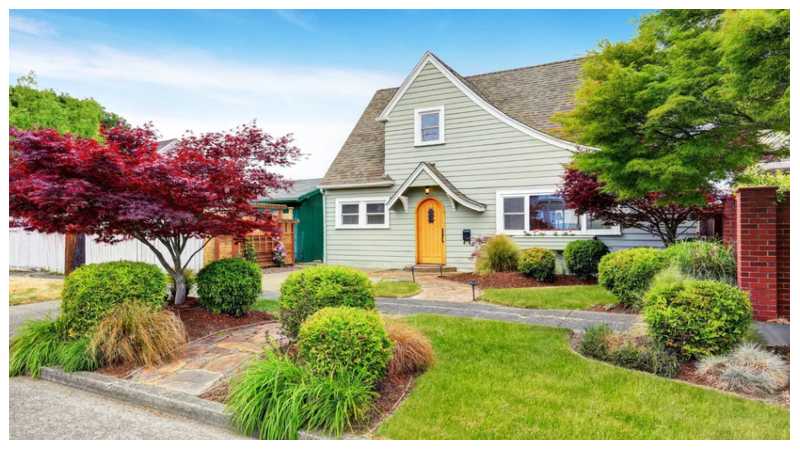
Trees are one of the most valuable additions to any garden or landscape. They provide shade, improve air quality, enhance property value, and create a beautiful natural environment. However, selecting the right trees requires careful planning and consideration. A tree that thrives in one location may struggle in another, making it important to choose species that suit your climate, soil, and landscaping goals.
By understanding the characteristics of different tree types and evaluating your outdoor space, you can create a landscape that remains attractive and healthy for many years. Here are some important factors to consider when choosing the right trees for your garden and landscape.
Understand Your Landscape Goals
Before selecting a tree, think about what you want it to accomplish in your landscape. Different trees serve different purposes, such as:
- Providing shade
- Enhancing privacy
- Producing flowers or fruit
- Creating windbreaks
- Improving visual appeal
Clearly identifying your goals will help narrow your options and ensure that the trees you choose support your overall landscape design.
Consider Your Climate
Climate plays a major role in determining which trees will grow successfully in your area. Temperature, rainfall, humidity, and seasonal conditions all influence a tree’s health and growth.
When choosing a tree, research:
- Cold tolerance
- Heat resistance
- Drought tolerance
- Moisture requirements
Selecting trees that are naturally suited to your local climate increases the likelihood of long-term success and reduces maintenance needs.
Evaluate Soil Conditions
Healthy soil is essential for healthy trees. Different species prefer different soil types, and understanding your soil conditions can help you make better choices.
Important factors include:
- Soil drainage
- Soil pH level
- Nutrient content
- Soil texture
Some trees thrive in sandy soils, while others perform better in clay or loamy conditions. Conducting a soil test can provide valuable information before planting.
Consider Mature Tree Size
One of the most common landscaping mistakes is planting trees without considering their mature size. A small sapling may seem harmless, but over time it can grow much larger than expected.
Before planting, determine:
- Mature height
- Mature width
- Root spread
- Distance from structures
Large trees planted too close to homes, driveways, or utility lines can create problems in the future. Planning for growth helps avoid costly maintenance and potential damage.
Choose Native Tree Species
Native trees are a great option because they naturally thrive in the local climate and growing conditions. They typically require less water, fewer fertilizers, and less maintenance compared to non-native species.
Benefits of native trees include:
- Better survival rates
- Support for local wildlife
- Reduced maintenance requirements
- Improved ecological balance
Native species also help create a more sustainable landscape.
Think About Seasonal Interest
Trees can provide beauty throughout the year if selected carefully. Different species offer unique seasonal features that enhance your landscape.
Examples include:
- Spring blossoms
- Summer shade
- Colorful autumn foliage
- Winter bark texture
Combining different tree varieties can ensure year-round visual interest and create a dynamic outdoor environment.
Consider Maintenance Requirements
Some trees require significantly more maintenance than others. Before making a selection, consider the level of care you are willing to provide.
Maintenance factors may include:
- Pruning needs
- Leaf cleanup
- Pest management
- Watering requirements
- Fruit or seed drop
Low-maintenance trees are often ideal for homeowners seeking long-term beauty with minimal effort.
Select Trees for Privacy and Screening
Trees can serve as natural privacy barriers and help reduce noise from nearby roads or neighbors.
Popular screening trees often feature:
- Dense foliage
- Fast growth rates
- Evergreen characteristics
Strategically placed trees can create a more peaceful and secluded outdoor living space while enhancing overall landscape design.
Use Ornamental Trees for Visual Appeal
Ornamental trees are smaller decorative species that add character and beauty to gardens. They are often chosen for their flowers, foliage, or unique shapes.
Common ornamental tree features include:
- Attractive blooms
- Distinctive bark
- Compact growth habits
- Colorful leaves
These trees can serve as focal points and complement larger landscape elements.
Plan Tree Placement Carefully
Proper placement is essential for both tree health and landscape functionality. Consider factors such as sunlight exposure, available space, and nearby structures.
When planting trees:
- Avoid underground utilities
- Leave space for root growth
- Consider future canopy spread
- Account for sunlight needs
Thoughtful placement ensures that trees can grow without causing conflicts with buildings, pathways, or other plants.
Benefits of Diversifying Tree Selection
Using multiple tree species creates a more resilient and visually appealing landscape. Diversity helps reduce the risk of widespread damage from pests, diseases, or environmental changes.
A varied landscape can provide:
- Better visual balance
- Increased biodiversity
- Greater environmental benefits
- Enhanced seasonal beauty
Mixing tree types creates a richer and more dynamic outdoor environment.
Long-Term Value of Trees
Trees are an investment that can provide benefits for decades. Mature trees often increase property value and improve overall quality of life.
Long-term benefits include:
- Reduced energy costs through shade
- Improved air quality
- Increased property appeal
- Wildlife habitat creation
- Enhanced outdoor comfort
Choosing the right trees today can have lasting positive effects for future generations.
Conclusion
Choosing the right trees for your garden and landscape requires careful planning and consideration of climate, soil conditions, mature size, and maintenance needs. By selecting species that align with your landscape goals and local environment, you can create a healthy, beautiful, and sustainable outdoor space.
Whether you are seeking shade, privacy, seasonal color, or environmental benefits, the right trees can transform your property and enhance its value. With thoughtful selection and proper placement, your trees will provide beauty, comfort, and enjoyment for many years to come.