
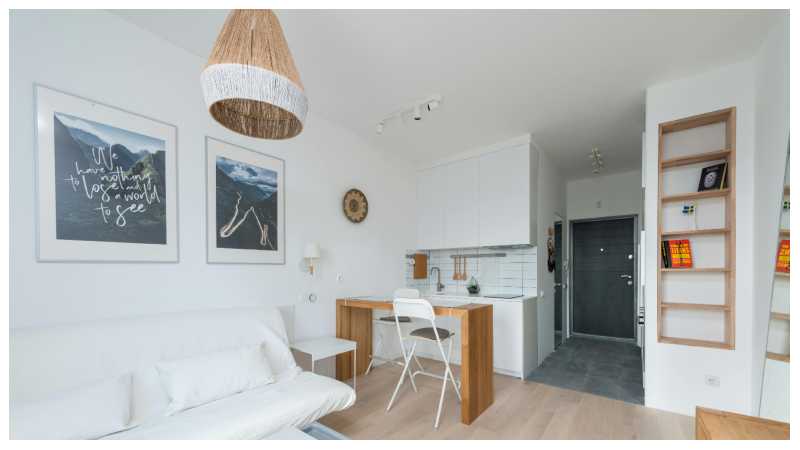
Living in a small home, apartment, or room does not mean you have to feel cramped or limited. With the right design techniques and smart decorating choices, even the smallest spaces can appear larger, brighter, and more inviting. Creating an open and spacious atmosphere is often less about increasing square footage and more about making the most of the space you already have.
From choosing the right colors to maximizing natural light, there are many simple ways to transform a compact area into a comfortable and visually expansive living space. Here are some practical tips on how to make a small space feel larger and more open.
Use Light Colors
Color plays a significant role in how large or small a room appears. Light colors reflect more natural and artificial light, making a space feel brighter and more spacious.
Popular color choices include:
- White
- Soft gray
- Beige
- Cream
- Light pastel shades
Painting walls, ceilings, and even furniture in lighter tones can help create a seamless and airy look. Dark colors, while stylish, tend to absorb light and can make a room feel smaller.
Maximize Natural Light
Natural light is one of the most effective ways to make a room feel open. Sunlight creates a bright environment and reduces the feeling of confinement.
To maximize natural light:
- Keep windows clean
- Use sheer curtains instead of heavy drapes
- Avoid blocking windows with large furniture
- Choose light-colored window treatments
The more natural light that enters a room, the larger and more welcoming it will appear.
Incorporate Mirrors
Mirrors are a classic design trick for creating the illusion of more space. They reflect both light and views, making a room seem larger than it actually is.
Consider placing mirrors:
- Opposite windows
- Behind furniture
- In narrow hallways
- On feature walls
Large mirrors can dramatically enhance the sense of depth and openness within a room.
Choose Multi-Functional Furniture
In small spaces, every piece of furniture should serve a purpose. Multi-functional furniture helps maximize usability without overcrowding the room.
Examples include:
- Storage ottomans
- Sofa beds
- Expandable dining tables
- Beds with built-in drawers
- Wall-mounted desks
These versatile pieces help reduce clutter while improving functionality.
Keep Clutter Under Control
Clutter can quickly make a small room feel crowded and disorganized. Maintaining a tidy and organized environment is essential for creating a spacious atmosphere.
Simple ways to reduce clutter include:
- Using storage baskets
- Installing shelves
- Organizing closets
- Donating unused items
- Utilizing hidden storage solutions
A clean and organized room instantly feels larger and more comfortable.
Use Vertical Space
When floor space is limited, look upward. Vertical storage solutions help maximize available space without taking up valuable room on the ground.
Ideas include:
- Tall bookshelves
- Wall-mounted cabinets
- Floating shelves
- Hanging storage systems
Using vertical space draws the eye upward and creates the impression of higher ceilings.
Select Appropriately Sized Furniture
Many people assume small rooms require tiny furniture, but choosing pieces that are too small can sometimes make a space feel awkward. Instead, select furniture that fits the room proportionally.
Try not to fill the space with excessive furniture or decorative items, as this can make the room feel cramped. A few well-chosen pieces often work better than numerous smaller furnishings.
Properly scaled furniture helps maintain balance and allows for easier movement throughout the room.
Create an Open Layout
Whenever possible, maintain an open layout that allows for smooth movement between different areas. Avoid placing large furniture pieces in pathways or creating unnecessary barriers.
An open floor plan encourages better flow and makes the room feel less confined. Arranging furniture thoughtfully can improve both functionality and visual spaciousness.
Use Consistent Flooring
Using the same flooring material throughout connected spaces can make a home appear larger. Consistent flooring creates visual continuity and eliminates abrupt transitions.
Popular options include:
- Hardwood flooring
- Luxury vinyl planks
- Laminate flooring
- Large-format tiles
A continuous flooring design helps rooms blend together and enhances the feeling of openness.
Add Strategic Lighting
Good lighting can significantly influence how spacious a room feels. Layering different types of lighting helps eliminate dark corners and creates a brighter environment.
Consider using:
- Ceiling lights
- Floor lamps
- Wall sconces
- Table lamps
- Under-cabinet lighting
Well-lit spaces generally feel larger and more inviting than dimly lit rooms.
Conclusion
Making a small space feel larger and more open is achievable with thoughtful design choices and smart organization. By using light colors, maximizing natural light, incorporating mirrors, and selecting multi-functional furniture, you can create a comfortable and visually spacious environment.
Keeping clutter under control, utilizing vertical storage, and maintaining an open layout further enhance the sense of openness. While you may not be able to physically expand your space, these practical strategies can help you make the most of every square foot.
With careful planning and attention to detail, even the smallest room can feel bright, welcoming, and surprisingly spacious.