
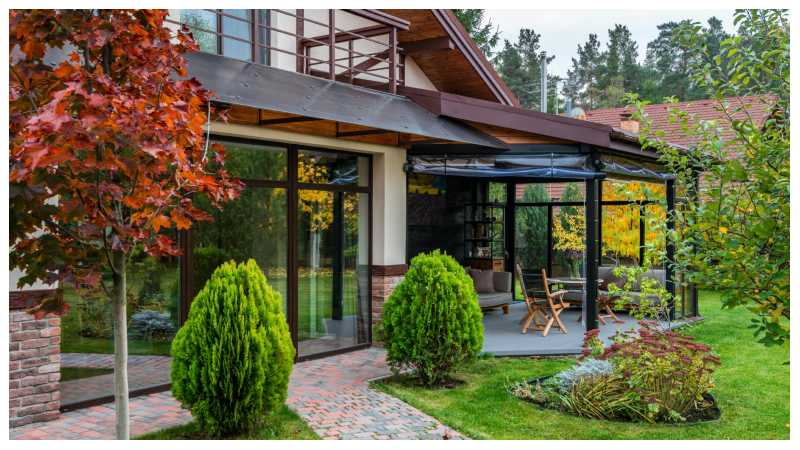
A well-designed landscape can completely transform the appearance and functionality of your outdoor area. Whether you have a large backyard, a small garden, or a front lawn, thoughtful landscape design can enhance your property’s beauty, increase its value, and create a comfortable environment for relaxation and entertainment. Creating a beautiful and functional landscape design involves more than simply planting flowers and placing decorative elements. It requires careful planning, balance, and an understanding of how different features work together.
Understanding the Purpose of Your Outdoor Space
Before starting any landscaping project, it is important to determine how you want to use your outdoor space. Some homeowners prefer a peaceful retreat filled with greenery, while others want an area for family gatherings, outdoor dining, or children’s activities. Defining the primary purpose of the space helps guide your design choices.
Consider factors such as the size of the area, sunlight exposure, and maintenance requirements. A clear vision allows you to create a landscape that meets both your practical needs and aesthetic preferences.
Planning the Layout
A great landscape design starts with careful planning. Organize your outdoor area into distinct sections based on how each space will be used. For example, you may have separate areas for seating, gardening, pathways, and recreational activities.
Creating a simple sketch of your yard can help you visualize how various elements will fit together. Ensure that pathways connect different sections smoothly and that there is enough room for movement. A balanced layout creates a natural flow throughout the landscape and makes the space more inviting.
Choosing the Right Plants
Plants are one of the most important components of any landscape design. Selecting the right plants can significantly enhance the appearance and functionality of your outdoor space.
When choosing plants, consider:
- Climate and weather conditions
- Soil type
- Sunlight availability
- Water requirements
- Maintenance needs
Using a mix of trees, shrubs, flowers, and ground covers creates visual interest and adds depth to the landscape. Native plants are often an excellent choice because they are adapted to local conditions and generally require less maintenance.
Creating Visual Balance
A beautiful landscape should feel balanced and harmonious. Balance can be achieved through the arrangement of plants, structures, and decorative features.
Symmetrical designs create a formal and organized appearance, while asymmetrical layouts offer a more natural and relaxed feel. Both approaches can be effective depending on your personal style and the overall theme of your outdoor space.
Repeating colors, textures, and plant varieties throughout the landscape helps create unity and consistency.
Incorporating Hardscape Features
Hardscape elements include non-living features such as patios, walkways, retaining walls, decks, and outdoor seating areas. These structures provide functionality and help define different sections of the landscape.
Popular hardscape features include:
- Stone pathways
- Wooden decks
- Outdoor kitchens
- Fire pits
- Pergolas
- Water fountains
Hardscape elements should complement the natural surroundings and blend seamlessly with the overall design.
Adding Outdoor Living Areas
Outdoor living spaces have become increasingly popular because they extend the usable area of a home. Comfortable seating areas, outdoor dining spots, and entertainment spaces enable homeowners to make the most of their landscape year-round.
Consider adding weather-resistant furniture, shade structures, and decorative lighting to create a welcoming atmosphere. These features not only improve functionality but also enhance the overall appeal of the landscape.
Using Lighting Effectively
Landscape lighting serves both practical and decorative purposes. It improves safety by illuminating walkways and entrances while also highlighting key design features.
Popular lighting options include:
- Path lights
- Spotlights
- String lights
- Solar-powered fixtures
- Garden accent lighting
Strategically placed lighting can create a warm and inviting ambiance during the evening hours and showcase the beauty of your landscape after sunset.
Incorporating Water Features
Water features can add a sense of tranquility and elegance to any outdoor space. The sound of flowing water creates a relaxing environment and enhances the overall atmosphere.
Common water features include:
- Ponds
- Fountains
- Waterfalls
- Birdbaths
Even a small water feature can become a focal point within your landscape design and contribute to a peaceful outdoor experience.
Focusing on Sustainability
Modern landscape design increasingly emphasizes sustainability and environmental responsibility. Eco-friendly landscaping practices help conserve resources while maintaining a beautiful outdoor environment.
Sustainable landscaping techniques include:
- Using drought-tolerant plants
- Installing efficient irrigation systems
- Collecting rainwater
- Applying organic mulch
- Reducing chemical fertilizers and pesticides
These practices not only benefit the environment but can also lower maintenance costs and improve the long-term health of your landscape.
Maintaining Your Landscape
Regular maintenance is essential for preserving the beauty and functionality of your outdoor space. Even the most carefully designed landscape requires ongoing care.
Key maintenance tasks include:
- Watering plants appropriately
- Pruning trees and shrubs
- Removing weeds
- Fertilizing when necessary
- Cleaning pathways and hardscape features
Creating a regular maintenance plan ensures your landscape remains healthy, attractive, and well-maintained all year long.
Conclusion
Creating a beautiful and functional landscape design for your outdoor space requires careful planning, creativity, and attention to detail. By understanding your needs, selecting suitable plants, incorporating hardscape elements, and focusing on sustainability, you can design an outdoor environment that is both attractive and practical.
A thoughtfully designed landscape enhances your home’s appearance, increases property value, and provides a comfortable space for relaxation and enjoyment. Whether you are designing a small garden or a large backyard retreat, investing time in proper landscape planning will result in an outdoor space that you can enjoy for years to come.