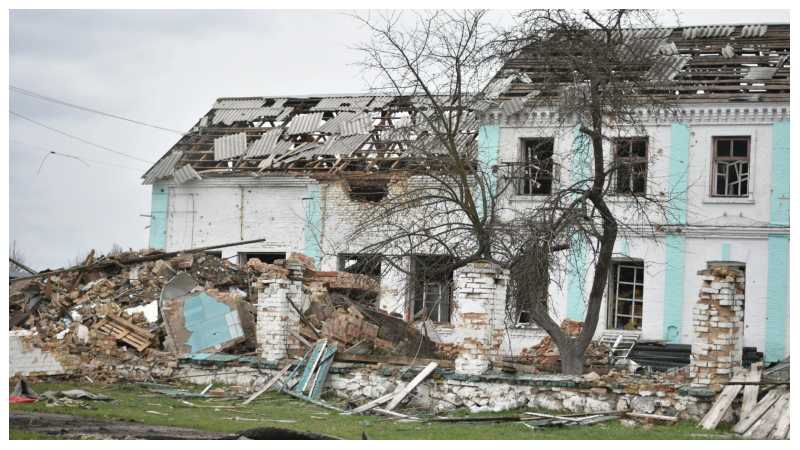
The foundation serves as the structural base of a home and is essential for its stability and support. It supports the entire structure and helps keep the building stable and secure. When foundation problems develop, they can affect walls, floors, doors, windows, and even the overall safety of the property. Unfortunately, many homeowners overlook early warning signs, allowing small issues to become costly repairs.
Recognizing foundation damage early can save thousands of dollars and prevent more serious structural problems. Here are five common signs of foundation damage you should never ignore.
1. Cracks in Walls or Floors
One of the most noticeable signs of foundation damage is the appearance of cracks in walls, ceilings, or floors. While small hairline cracks can occur naturally as a house settles over time, larger or growing cracks may indicate foundation movement.
Pay close attention to:
- Horizontal wall cracks
- Stair-step cracks in brickwork
- Large cracks in drywall
- Cracks in concrete floors
- Gaps around door and window frames
These cracks often develop when the foundation shifts unevenly, placing stress on different parts of the structure. If cracks continue to expand or new ones appear frequently, it may be time to have the foundation inspected by a professional.
Ignoring these warning signs can lead to more extensive structural damage and expensive repairs in the future.
2. Uneven or Sloping Floors
Floors should generally feel level and stable throughout a home. If you notice that floors are sloping, dipping, or uneven, foundation issues could be the cause.
Signs of uneven flooring include:
- Furniture appearing tilted
- Rolling objects moving on their own
- Visible dips in flooring
- Bouncy or sagging sections
Uneven floors often occur when parts of the foundation settle at different rates. Soil movement beneath the home can create pressure that causes sections of the foundation to sink or shift.
In some cases, homeowners may not immediately notice floor changes because the process happens gradually over time. Regularly checking for signs of unevenness can help identify problems before they worsen.
3. Windows and Doors That Won’t Close or Stick
Foundation movement can affect the alignment of door and window frames. As the structure shifts, openings may become distorted, making it difficult for doors and windows to operate properly.
Common symptoms include:
- Doors that stick when opening or closing
- Windows that are difficult to lock
- Gaps around frames
- Doors that swing open or closed on their own
- Misaligned door frames
While humidity and temperature changes can occasionally affect doors and windows, persistent problems often point to structural movement.
If multiple doors and windows throughout the home suddenly become difficult to use, it could indicate a larger foundation issue that requires professional evaluation.
4. Exterior Brick or Siding Gaps
The outside of your home can also reveal signs of foundation damage. When the foundation shifts, it can create visible gaps and separations in exterior materials.
Watch for:
- Cracks in brick walls
- Separation between bricks and mortar
- Gaps around exterior trim
- Siding that appears warped or detached
- Openings around garage doors
Brick homes are especially prone to displaying stair-step cracks when foundation movement occurs. These cracks typically follow mortar lines and become larger as the problem progresses.
Exterior damage should never be ignored because it often indicates that structural movement is affecting the entire building. Addressing foundation issues early can help prevent additional exterior repairs.
5. Basement or Crawl Space Moisture Issues
Excess moisture in a basement or crawl space can sometimes be linked to foundation problems. Cracks and shifting foundations may allow water to enter areas that should remain dry.
Signs of moisture issues include:
- Standing water
- Damp walls or floors
- Mold growth
- Musty odors
- Water stains
Moisture not only damages building materials but can also weaken the foundation over time. Water infiltration may contribute to soil expansion and contraction, increasing the likelihood of foundation movement.
Regular inspections of basements and crawl spaces can help homeowners detect both water problems and potential structural concerns before they become severe.
Conclusion
Foundation damage can affect every part of a home, from the floors beneath your feet to the walls and roof above. Early detection is essential for preventing costly repairs and maintaining the safety and value of your property.
Cracks in walls or floors, uneven flooring, sticking doors and windows, exterior gaps, and moisture issues are all warning signs that should not be ignored. While some minor settling is normal, persistent or worsening symptoms often indicate a deeper structural problem.
If you notice any of these signs, consulting a qualified foundation specialist can help determine the cause and recommend the appropriate solution. Taking action early can protect your home, preserve its value, and provide peace of mind for years to come.